 Premium Research Chemicals • Fast, Discreet Shipping • Verified Quality
0
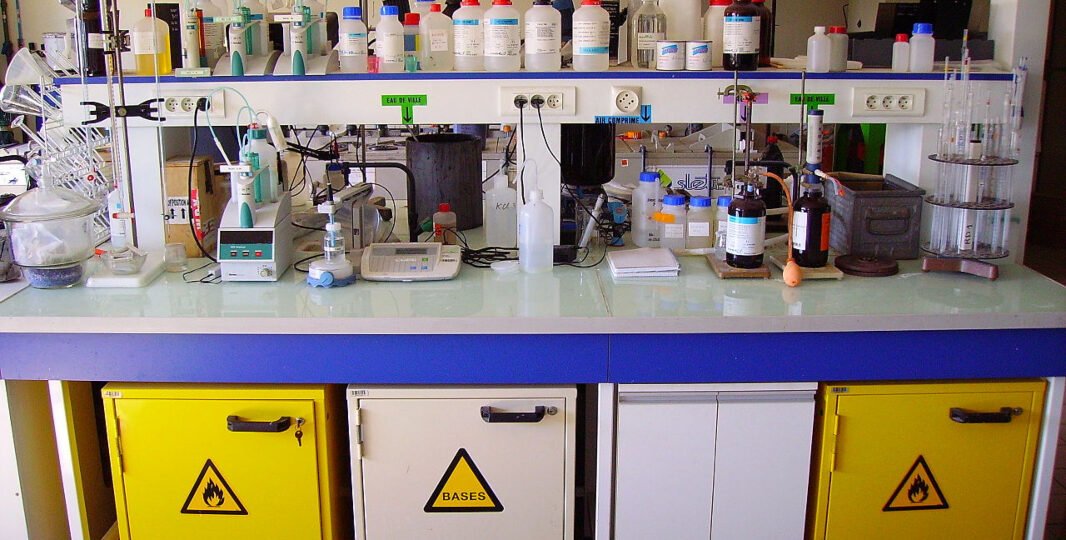
How Laboratories Store Research Chemicals Safely
Proper storage is an essential part of laboratory chemical management. Research chemicals can have different requirements depending on their physical and chemical properties, so laboratories should establish storage procedures based on the specific substance, available safety documentation, and applicable regulations.
For laboratory researchers and procurement teams, good storage practices help protect personnel, preserve material integrity, maintain accurate inventory records, and reduce the risk of accidental exposure or incompatible chemical reactions.
Why Proper Research Chemical Storage Matters
Research chemicals may be sensitive to factors such as temperature, moisture, light, oxygen, and contamination. Inappropriate storage can affect the stability or quality of a material and may create unnecessary safety risks.
A well-organized laboratory storage system should therefore consider:
- Chemical compatibility
- Temperature requirements
- Light sensitivity
- Moisture sensitivity
- Container integrity
- Labeling and identification
- Access control
- Inventory management
- Applicable safety requirements
The exact storage conditions should always be determined from the product’s safety documentation and the laboratory’s established procedures.
1. Check the Safety Documentation First
Before storing a research chemical, laboratory personnel should review the relevant Safety Data Sheet (SDS) and supplier documentation.
Storage information may identify requirements relating to temperature, ventilation, incompatible materials, container type, or other precautions.
Researchers should avoid relying on a generic storage rule for every chemical. Different substances can require significantly different conditions.
2. Maintain Clear Chemical Labels
Every container should be clearly identifiable.
Labels should remain legible and should provide the information required by the laboratory’s chemical-management procedures and applicable regulations.
Useful identification information can include:
- Chemical name
- Concentration or formulation, where applicable
- Batch or lot number
- Date received
- Relevant hazard information
- Storage requirements
- Supplier information
Never rely on memory or an unmarked container when identifying laboratory chemicals.
3. Separate Incompatible Chemicals
One of the most important principles of laboratory chemical storage is compatibility.
Chemicals should not simply be stored alphabetically if doing so places incompatible substances next to one another. Storage should take chemical hazards and compatibility into account.
For example, laboratories may need separate storage arrangements for categories such as:
- Flammable materials
- Oxidizing substances
- Corrosive chemicals
- Reactive materials
- Toxic or hazardous substances
- Materials requiring temperature-controlled storage
The appropriate segregation system should follow the SDS, institutional procedures, and applicable regulations.
4. Control Temperature and Environmental Conditions
Some research chemicals require controlled environmental conditions to maintain stability.
Depending on the material, relevant factors may include:
Temperature: Certain compounds may require room-temperature, refrigerated, or other controlled conditions.
Humidity: Moisture-sensitive materials may require protection from atmospheric humidity.
Light: Light-sensitive compounds may require protection from direct or prolonged exposure.
Air exposure: Some materials may be sensitive to oxygen or atmospheric conditions.
Researchers should follow the manufacturer’s or supplier’s specified storage conditions rather than assuming that all research chemicals can be stored under identical conditions.
5. Use Appropriate Containers
Chemical containers should be compatible with their contents and suitable for the required storage conditions.
Containers should be:
- Properly sealed
- Clearly labeled
- Appropriate for the chemical
- Free from visible damage
- Stored in a stable position